
Passive House
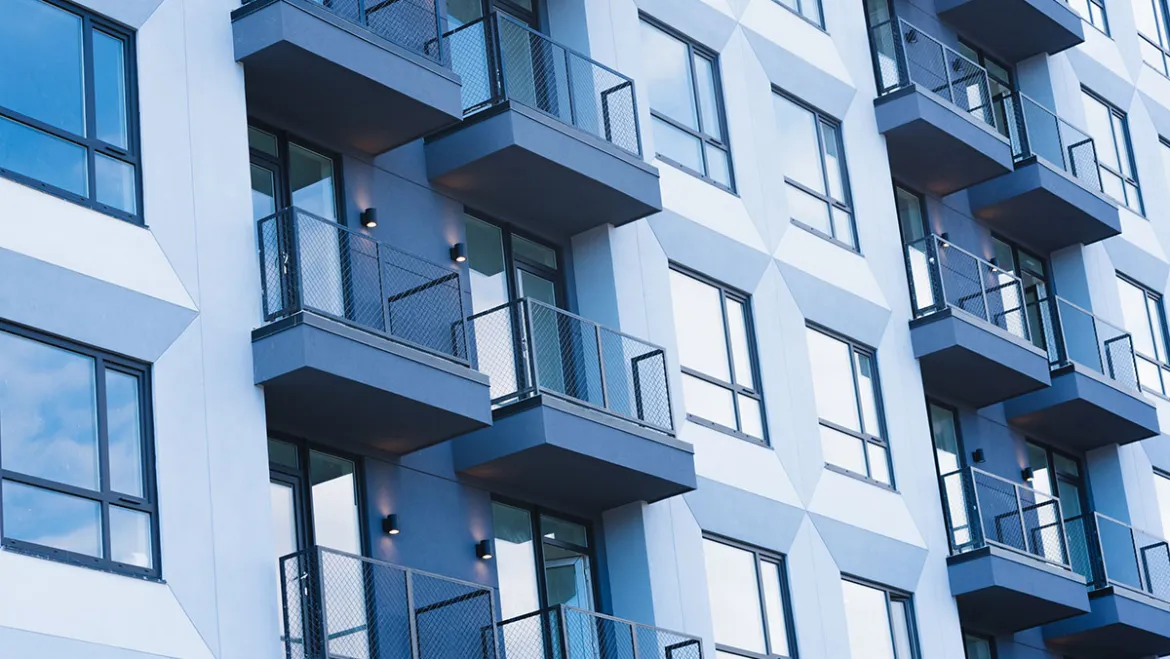


INTUS Windows balances superb energy efficiency, affordability, and versatility. With our windows, any building can be an efficient one - from affordable senior housing to luxury high-rise hotels. Create a flood of daylight while achieving one of the highest thermal performances on the market, and balance costs too!
PHIUS and PHI Certified windows
Gain up to 44 LEED points
Recycled polymer profiles
Suitable for any climate zone in the U.S.
Low to high rise options with AW & CW rated products
Passive House certified buildings meet a set of design principles used to attain a rigorous level of energy efficiency within a specific quantifiable comfort level - or in other words maximizing gains, and minimizing losses. Energy consumption for passive buildings is miniscule compared to conventional buildings, thus securing considerable savings on energy costs and increasing your ROI.
The passive principles can be applied to any type of structure, from high-rise apartment buildings, to hotels, to churches, and beyond - and for new construction or retrofits. Energy efficient windows are considered a core pillar in Passive building, and INTUS has been at the forefront of the U.S. Passive movement since our inception.


The LEED rating system evaluates the environmental performance of a building through a point-based system and encourages market transformation toward sustainable design. INTUS windows and doors create huge opportunities to increase a building's LEED level.
LEED (Leadership in Energy and Environmental Design) is developed and managed by the U.S. Green Building Council (USGBC). It remains the world’s most recognized green building certification system, featuring four certification levels: Certified, Silver, Gold, and Platinum.
LEED v5, the newest version launched by USGBC, builds upon LEED v4.1 and represents the next generation of sustainable design. It introduces a stronger emphasis on carbon reduction, resilience, health, equity, and biodiversity, aligning with global climate goals and the UN Sustainable Development Goals (SDGs).
This version focuses on:
Operational decarbonization through efficient envelopes and electrification
Embodied carbon reduction in materials and construction
Human health and indoor environmental quality
Resilient and adaptive design for climate impacts
Data transparency and performance verification
LEED v5 provides a more holistic, performance-driven framework encouraging projects to go beyond energy efficiency toward long-term environmental and social sustainability.
Discover which LEED v5 rating system applies to your project and how INTUS high-performance fenestration can help you earn key credits in Energy, Materials, and Indoor Environmental Quality.


Maximum results achieved with INTUS products
LEED Category | LEED Credit | Possible Points |
|---|---|---|
Sustainable Site | Heat Island Reduction | 2 |
Integrative Process | Integrative Process | 1 |
Energy & Atmosphere | Minimum Energy Performance | Required |
Optimize Energy Performance | 20 | |
Materials & Resources | Building Product Disclosure & Optimization: Environmental Product Declarations | 2 |
Building Product Disclosure & Optimization: Sourcing of Raw Materials | 2 | |
Indoor Environmental Quality | Minimum Indoor Air Quality (IAQ) Performance | Required |
Low-Emitting Materials | 3 | |
Thermal Comfort | 1 | |
Daylight | 3 | |
Quality Views | 3 | |
Acoustic Performance | 2 | |
Innovation | Innovation | 5 |
Grand Total | 44 |