Blog
Earth Day: Turning Sustainable Goals Into Action
Earth Day: Turning Sustainable Goals Into Action
Earth Day is a reminder of the environmental challenges we face, but more importantly, it’s a call to act on them.
As sustainability becomes a priority across industries, the conversation is shifting from awareness to implementation. The question is no longer whether we should build more sustainably, but how those goals translate into real, measurable impact.
One of the most effective places to start is sustainable building solutions. From the materials we choose to how buildings perform over time, every decision plays a role in reducing energy consumption and carbon emissions. And among those decisions, some have a far greater impact than others.
Why Buildings Play a Critical Role in Sustainability
The built environment is one of the largest contributors to global energy consumption and carbon emissions. From residential homes to commercial developments, buildings require energy not only during construction, but throughout their entire lifecycle—often for decades.
A significant portion of this impact comes from operational energy: heating, cooling, ventilation, and lighting. When buildings are not designed or constructed with performance in mind, they consume far more energy than necessary, increasing both costs and environmental impact over time.
What makes this sector especially important is its long-term influence. Unlike many other industries, buildings are not temporary. The decisions made today—materials, systems, and performance standards—will continue to shape energy use and emissions for generations.
This is why improving building performance is one of the most effective ways to turn sustainability goals into measurable results.
And within that, some components play a disproportionately large role.
Why Windows Are Critical to Energy Efficiency and Sustainable Building Design
Not all parts of a building impact performance equally—and windows are one of the most influential.
Because they must balance insulation, light, and ventilation, windows are also one of the most complex elements of the building envelope. When poorly specified, they become a major source of energy loss. When designed correctly, they significantly improve energy efficiency, comfort, and overall building performance.
In sustainable design, windows are critical to how a building performs over time.
The Role of Energy Efficient Windows in Reducing Energy Demand
Addressing energy loss at the building level requires targeting its weakest points—and this is where energy efficient windows make a measurable difference.
Unlike conventional systems, high-performance windows are engineered to control heat transfer, improve airtightness, and maintain consistent indoor conditions regardless of external temperatures. This is achieved through a combination of advanced glazing, insulated frames, and precision installation.
Key performance factors include:
Thermal insulation (U-value): Multi-pane glazing and insulated frames reduce heat loss during colder months and limit heat gain in warmer conditions.
Airtightness: Proper sealing minimizes air leakage, preventing drafts and reducing unnecessary strain on heating and cooling systems.
Solar control: Specialized coatings help manage solar gain—allowing beneficial heat in during winter while limiting overheating in summer.
Together, these elements significantly reduce the amount of energy required to heat and cool a building. Instead of constantly compensating for temperature fluctuations, HVAC systems can operate more efficiently—or in some cases, far less frequently.
How Sustainable Windows Improve Comfort and Indoor Environment
Sustainability is often measured in energy savings,but its impact is just as important inside the building.
High-performance sustainable windows are designed not only to reduce energy demand, but to create healthier, more comfortable indoor environments. By stabilizing interior temperatures and eliminating drafts, they help maintain consistent living and working conditions throughout the year.
However, comfort goes beyond thermal performance.
In many modern environments—especially in urban or high-traffic areas—noise pollution has become a growing concern. This is where advanced glazing systems play a critical role. Noise reduction windows are engineered to significantly limit the amount of external sound entering a space, improving concentration, sleep quality, and overall wellbeing.
The result is a quieter, more controlled indoor environment—one that supports both productivity and relaxation.
By combining thermal efficiency with acoustic performance, sustainable window systems contribute to a more holistic definition of sustainability: one that prioritizes not only energy and emissions, but also the quality of life inside the spaces we build.
Passive House Windows as the Highest Standard of Performance
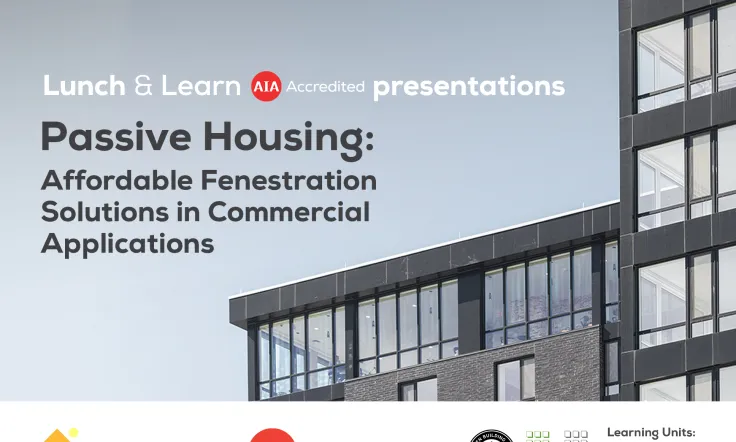
As building standards continue to evolve, Passive House windows have emerged as the benchmark for what high-performance truly means.
Designed to meet the rigorous requirements of the Passive House standard, these systems go beyond conventional efficiency measures. They are engineered to deliver exceptional thermal insulation, airtightness, and overall performance—helping buildings achieve ultra-low energy consumption levels.
What sets Passive windows apart is their ability to work as part of a fully optimized building envelope. Through advanced glazing technologies, insulated frames, and precise installation, they significantly reduce heat loss while maximizing beneficial solar gain when needed.
This results in:
Consistently stable indoor temperatures
Minimal reliance on active heating and cooling systems
Substantially lower energy demand over time
But the impact goes beyond energy savings alone. Passive House windows contribute to a higher standard of living—eliminating cold spots near glazing, reducing drafts, and enhancing overall indoor comfort.
For architects, developers, and homeowners aiming to meet the highest levels of sustainability, Passive House windows represent a future-proof solution. They are not just an upgrade—they define what best-in-class performance looks like in modern building design.
How INTUS Turns Sustainability Into Action
At INTUS Windows, sustainability is not treated as a single initiative or a marketing concept—it is built into the way the company operates every day. From product design to manufacturing, the focus is on creating solutions that not only perform at the highest level, but are also produced responsibly.
This approach recognizes a simple reality: delivering truly sustainable windows requires more than energy efficiency in use. It requires accountability across the entire production process.
Responsible Manufacturing and Resource Management
Sustainability begins on the production floor. INTUS prioritizes responsible manufacturing practices that reduce waste and maximize resource efficiency at every stage. Materials are carefully managed, with a strong focus on sorting and recycling to minimize what ends up as waste. This not only reduces environmental impact but also supports a more circular approach to production.
At the same time, efficiency is built into the process itself. By optimizing material use and refining manufacturing workflows, INTUS reduces unnecessary consumption while maintaining the precision and quality required for high-performance window systems.
Solar Energy and Low-Impact Production
Beyond materials and processes, energy use plays a critical role in sustainable manufacturing.
To address this, INTUS has invested in on-site solar energy, significantly reducing reliance on conventional power sources. For most of the year, this solar installation generates enough energy to support the majority of production operations—lowering the overall carbon footprint of every window produced. For example, last year, for almost 10 months, our solar installation supplied enough energy to power both our office and production facilities.
This shift toward renewable energy is a key step in reducing the environmental impact of manufacturing, ensuring that sustainability is not only reflected in the final product, but embedded in how it is made.
Together, these efforts demonstrate a broader commitment: not just to producing high-performance windows, but to doing so in a way that actively supports a more sustainable future.
Sustainability at INTUS is not defined by a single solution, but by a continuous effort to improve every aspect of the business. From how products are made to how impact is measured, each step is part of a larger commitment to responsible growth.
One Window One Tree: Growing Impact Every Year
Sustainability at INTUS does not stop at reducing energy consumption—it extends into actively restoring the environment. This is the foundation of the One Window One Tree (OWOT) initiative.
Launched in 2018 on Earth Day, the program was designed with a clear principle: for every window or door produced, a tree is planted to help offset the building’s carbon footprint.
But One Window One Tree is more than a symbolic gesture. It is a structured, long-term initiative built around measurable environmental impact.
Each tree is planted in collaboration with partners such as One Tree Planted, local organizations, and governments, with a focus on regions connected to INTUS projects and areas where ecological restoration is most needed. The goal is not just reforestation, but meaningful contribution to local ecosystems through native species and carefully selected planting locations.
What makes the initiative particularly impactful is its consistent year-over-year growth.
Over the past several years, the number of trees planted annually has increased significantly—growing by roughly:
over 70% from 2020 to 2021
followed by continued expansion, including over 60% growth between 2022 and 2023
and sustained strong increases of 30–45% year-over-year in more recent periods
This upward trajectory reflects not only business growth, but a deliberate commitment to scaling environmental impact alongside it.
At the same time, OWOT is aligned with a much larger ambition: to contribute to large-scale carbon reduction through continuous tree planting and long-term ecosystem support.
Because turning sustainability goals into action is not about isolated efforts. It’s about building systems that create impact consistently—and at scale.
Rethinking What a Sustainable Company Looks Like
Sustainability is often reduced to a single product feature or a standalone initiative. But in reality, it is far more complex—and far more demanding.
A truly sustainable company is not defined by one solution. It is defined by how well it integrates sustainability across everything it does.
This means looking beyond individual actions and understanding sustainability as a combination of three interconnected elements: high-performance products, responsible manufacturing processes, and long-term environmental initiatives. When these pieces work together, they create a more complete and credible approach—one that delivers impact not just in theory, but in practice.
Turn Your Sustainability Goals Into Action
Sustainability can often feel like a large, complex challenge—but real impact starts with individual decisions.
For homeowners, architects, and developers, those decisions are made every day. The materials you choose, the systems you specify, and the performance standards you prioritize all shape how a building will function for decades to come.
Upgrading to energy efficient windows or investing in high-performance sustainable windows is one of the most effective ways to make that impact tangible. It’s a decision that immediately reduces energy demand, improves indoor comfort, and lowers long-term environmental footprint—without requiring a complete redesign of the building.
And while it may seem like a small step, its effect is anything but small.
Because buildings last for generations. The choices made today will continue to influence energy use, emissions, and quality of life for years to come. What begins as a single upgrade becomes part of a much larger shift toward more responsible, high-performing spaces.
Every Day Is Earth Day
Earth Day is a powerful reminder—but real impact is created in what happens after it.
Sustainability is not defined by a single moment or initiative. It is built through consistent decisions, responsible practices, and a long-term commitment to doing better.
Whether it’s how we design buildings, manufacture products, or choose materials, every action contributes to a larger outcome.
Because protecting the environment isn’t something we do once a year—it’s something we build into everything we do, every day.